Top 5 reasons Fullriver’s PowerVault Dominates in Material Handling

In a world full of lithium and TPPL, Fullriver’s Class III power pack, the PowerVault, shows real resilience in real-world situations. Fullriver has been making deep-cycle batteries since 1995, and in 2017 we combined our deep-knowledge of batteries with the best available components to bring our own Class III pack to Material Handling. Going on 7 years with this product in the market, we thought it was a great time to reflect on what makes the PowerVault Series so worthy of serious consideration.
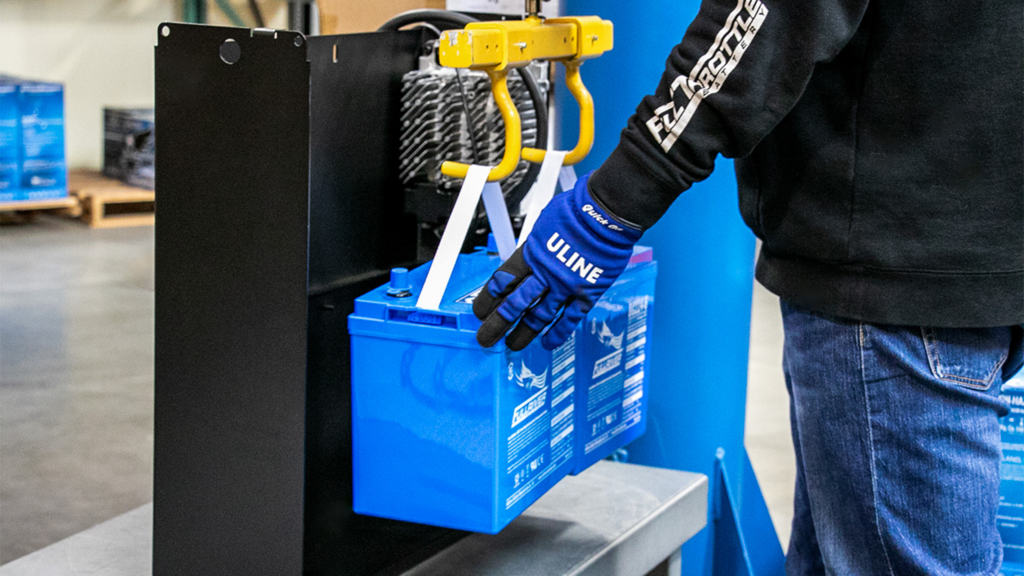
A man building a Fullriver Battery PowerVault in a warehouse.

Dirty Environments

We know there are some very messy workplaces out there, especially where food production is concerned.  Our DC224-6s are sealed, include stainless fasteners to resist corrosion, and are installed in a high-quality powder coated steel case. Throw in the IP65 rated IC650 charger and you end up with a pack that is power-wash ready, designed to resist dust and water ingress in bakeries, meat or fish processing plants, breweries, and other messy environments.
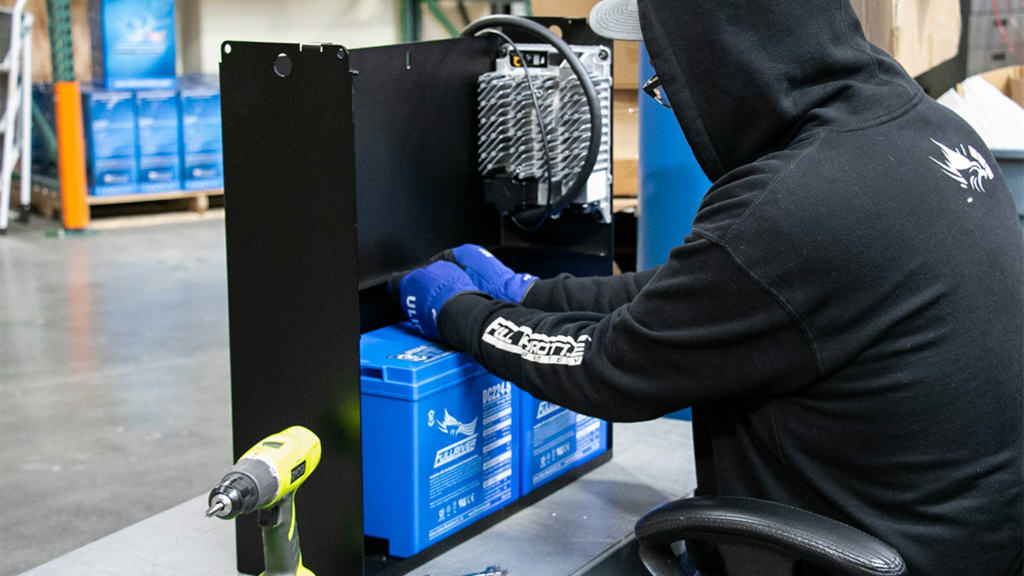
A man in a hoodie is building a Fullriver Battery PowerVault.

Rocky Roads

The real-world is full of rough roads and a tractor trailer isn’t known for the smoothest ride. Many packs on the market utilize thin plates, other battery plates dangle in a gel solution, and the newest technology depends on sensitive electronic boards to keep them working. The internals of all Fullriver batteries are engineered to flow with the bumps of over the road transport. Over the partition cell connections ensure the cell block can float unimpeded, thick plate cells better resist vibration, while cells packed under compression greatly reduced the impacts of jarring on the battery plates. All of this is wrapped up in an ultra-tough, spill-proof ABS case.

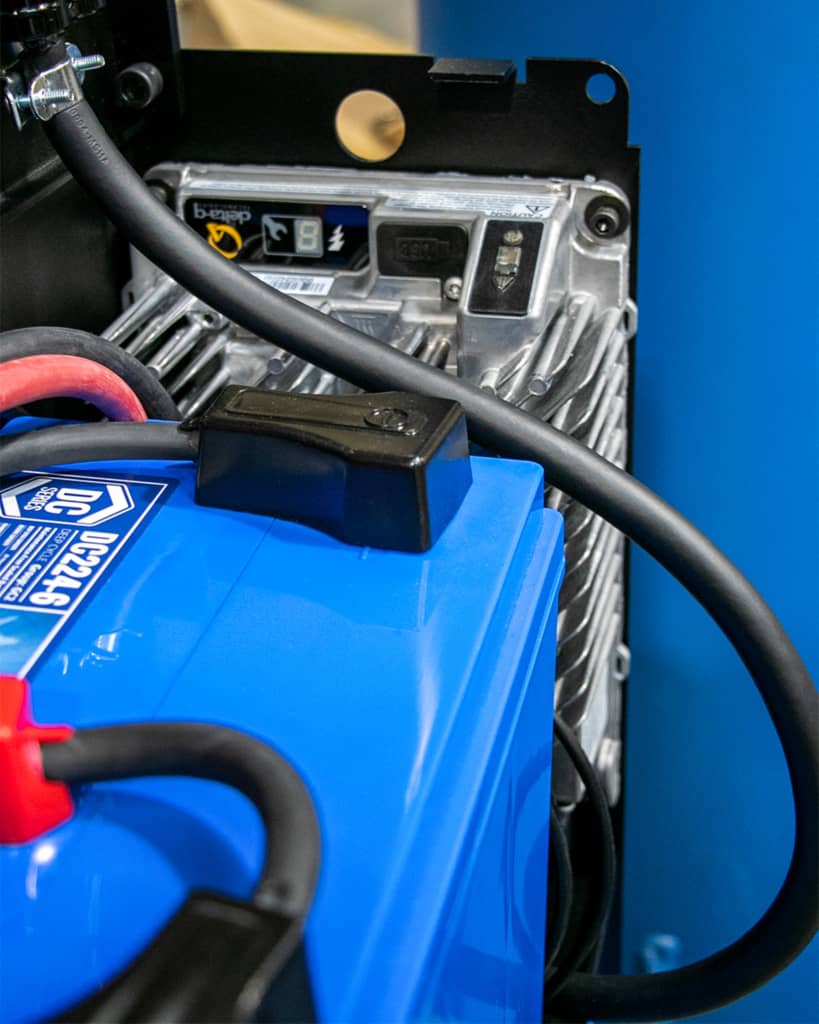
A close up of a Fullriver Battery in a PowerVault.
A Fullriver Battery is connected to a Delta-Q battery charger.
A Fullriver Battery with a charger attached to it.

Higher Capacity for Long Travel Requirements

In a packed urban context, Fullriver powerpacks offer true deep-cycle capabilities when deliveries are over blocks, not just docks. The workhorse of the PowerVault is our 224Ah GC2, the DC224-6. While some of the most prominent pack builders limit usable capacity to 40%, our heavy duty, thick plate batteries are designed for 100% usable capacity. And while some manufacturers encourage opportunity charging to boost their limited capacity packs, the PowerVault, with plenty of usable capacity eliminates this need. Let’s be clear, opportunity charging equals downtime.  In fact, the PowerVault boasts some of the highest capacity for a Class III pack. Don’t settle for low-capacity packs, when the PowerVault will go strong throughout the workday.
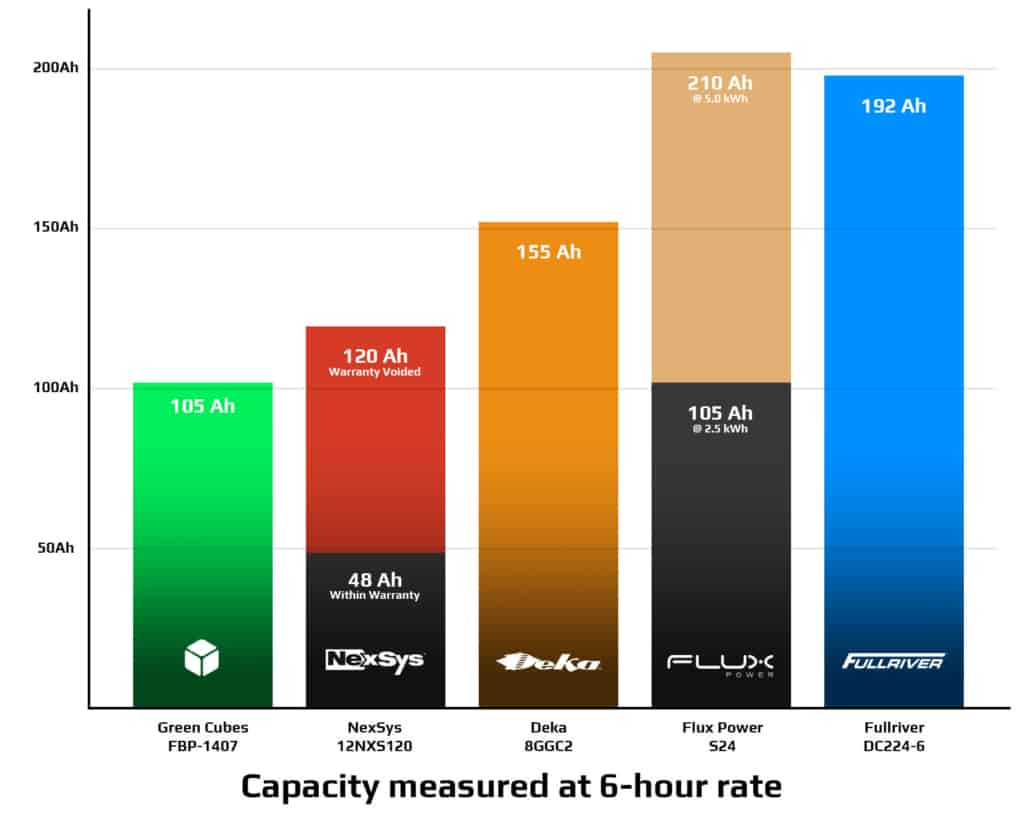
Capacity measured at 5 hour rate.

Murphy’s Law

In the real world, sometimes things go wrong, and when they do, how will they be resolved? Can the pack be repaired on site, or does it need to be shipped back for repairs? Are the critical parts readily available and nearby? Is the repair process simple and straightforward, or does it require specialized training? Fullriver batteries come in popular BCI standard group sizes, no odd, hard to find proprietary fitments. If something does go wrong, every component in Fullriver powerpacks is field-serviceable to minimize unforeseen downtime, and readily available through our network of distributors and dealers across the US and Canada.

A close up of a Delta-Q Charger in a Fullriver Battery PowerVault.

Knowledge Insight is Power

Sometimes understanding a specific operation, its workflow, usage and charging habits can be highly valuable. Scheduling time for a site visit can take weeks. The PowerVault comes standard with built-in data acquisition via the Delta-Q IC650. Data can be obtained in 30 seconds and sent instantaneously via email for fast feedback. Event logging drives insight for Dealer and Customer. Understand user habits, address inefficiency, to help customers succeed in their operations.

But wait… there’s more!

We said Top 5, but there’s yet another reason to consider the PowerVault! Fullriver doesn’t just tout its PowerVault as great, we stand behind every pack we sell with an industry-leading warranty and none of the red tape many manufacturers impose. Our flagship PowerVault is backed up by a full 2-year warranty, and the ultra-long-life EGL PowerVault comes with a full 4-year warranty!  
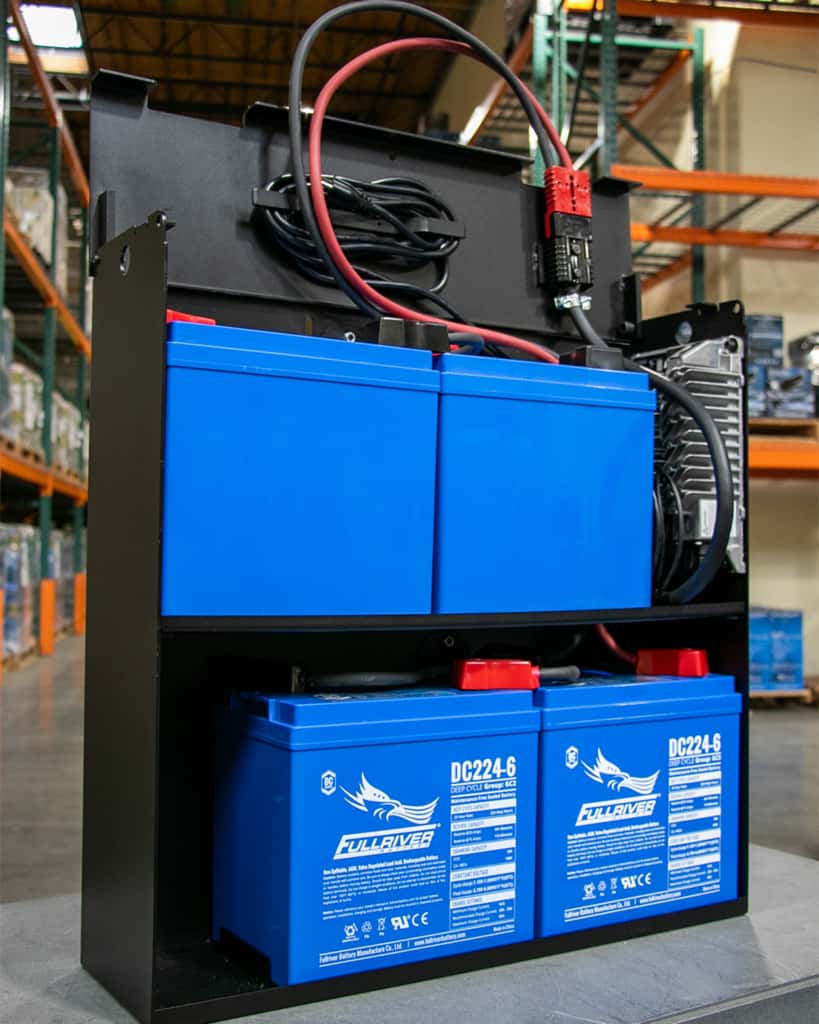
A Fullriver Battery PowerVault in a warehouse.
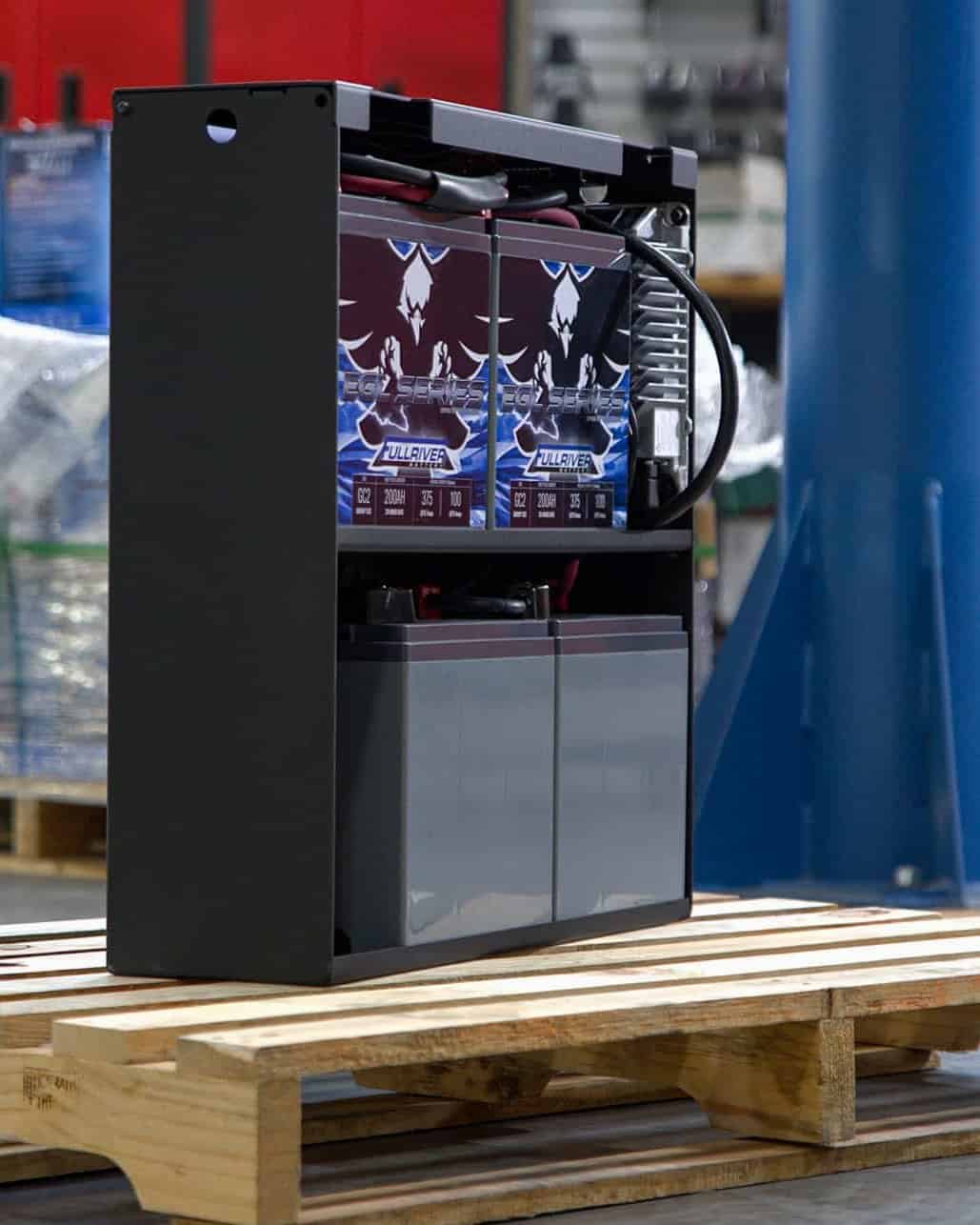
A Fullriver EGL PowerVault box sitting on a pallet in a warehouse.

The Real Deal

The Fullriver PowerVault goes beyond marketing hype and the promises of a sales rep, delivering in the real world the best performing, most robust pack in the industry. Engineered for messy, bouncy, tough environments, to provide years of reliable power. If you want to reduce costly downtime in your fleet of pallet jacks, reach out to Fullriver Battery today.
Revolutionizing Aerial Work Platforms

: A Q&A with Fullriver Battery, a Charged by Delta-Q Partner 

By: Rod Dayrit, Director of Business Development 

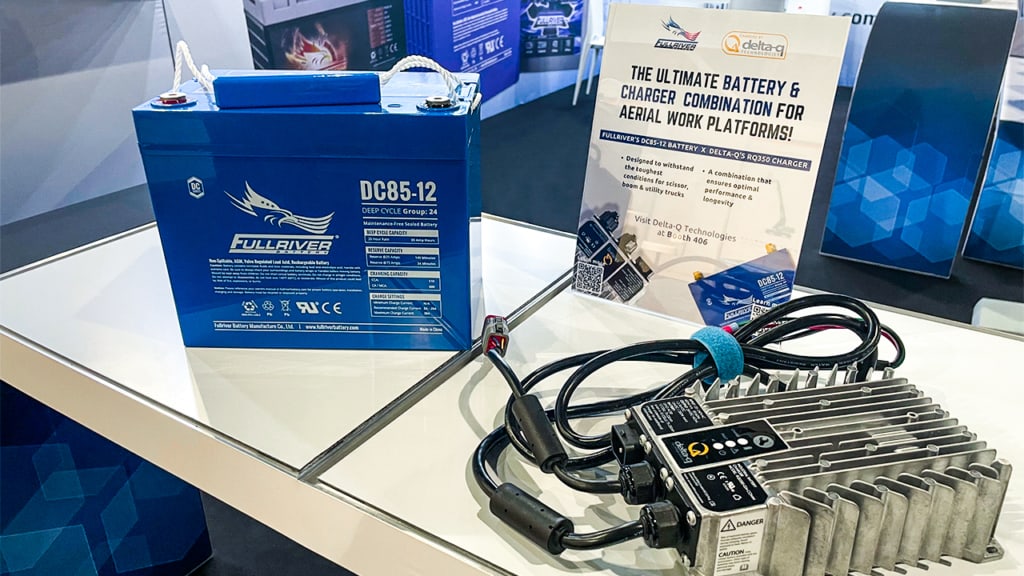
A battery and charger on display at a trade show.

Aerial work platforms (AWP), including scissor lifts, boom lifts, and utility trucks, play a critical role in construction, maintenance, and various other industries where safety, efficiency, and reliability are paramount. The success of these machines hinges upon the performance and longevity of their battery and charging systems. 

Delta-Q Technologies (Delta-Q) and Fullriver Battery (Fullriver), our Charged by Delta-Q partner, recognized this and collaborated to develop an engineering solution that can withstand the harshest conditions these vehicles face. The solution includes Delta-Q’s RQ350 battery charger and Fullriver’s DC85-12 battery, delivering optimal performance, exceptional longevity, and unmatched efficiency. This game-changing solution was showcased at the APEX Show in Maastricht, Netherlands, in June 2023, the world’s largest dedicated international access equipment exhibition, held triennially. 

In a recent interview with Aaron Plew, Director of Product and Communications at Fullriver Battery, we gained insights into the development process of this solution and how it elevates the performance of aerial work platforms. Additionally, we explored the benefits for end-users, its potential to drive overall efficiency and productivity in various operations, and the future of battery and charging in the aerial work platform sector. This collaborative effort sets a new standard for reliability and showcases our dedication to creating sustainable and eco-friendly solutions. 

Can you provide an overview of the DC85-12V Deep-Cycle AGM battery for the aerial work platform industry? What are some of the critical benefits of the DC85-12V battery and RQ350 charging solution combination?  

Aaron: The DC85-12 is a 12V, 85Ah, group 24 battery. It is much more compact than the more common GC2 but still offers plenty of capacity. Of course, the RQ350 is also very compact, even compared to other modern battery chargers. 

What pain points do customers commonly face in the aerial work platform industry? How does this product combination solve it?  

Aaron: The RQ350 and DC85-12 are an excellent combination for the aerial work platform industry. The compact and water-resistant RQ350 can recharge a set of DC85-12 in as little as a couple of hours, with a maximum of seven hours for a fully discharged battery. The market has really begun a massive shift to AGM and other maintenance-free options in just the last two years. The list of reasons is long, but perhaps the two biggest drivers are related to watering, often being impossible, and maintaining charge when vehicles are remote or out for rent. What the industry techs love about the RQ350 is the reliable and optimal charging results, and the IP rating that allows it to withstand harsh environments, even at the other end of a power washer. 

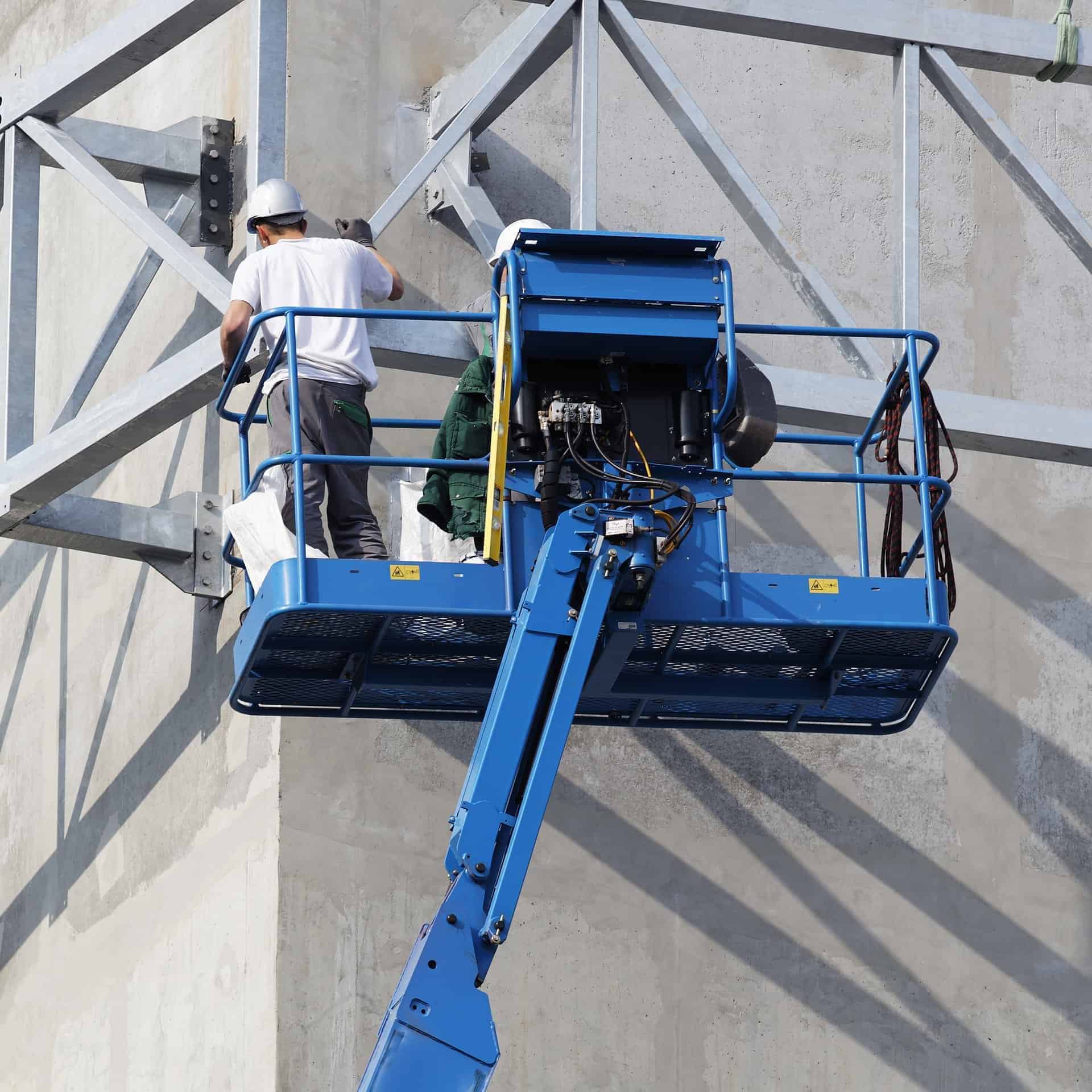
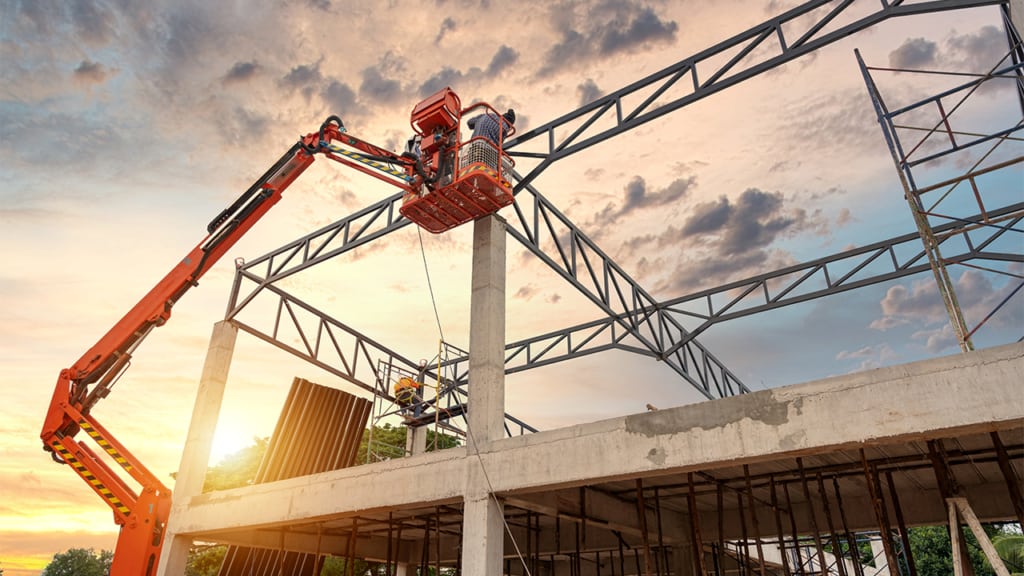
Two construction workers are working on a building at sunset.

Could you explain the technology behind the DC85-12V battery and how this battery and charger combination enhances the performance of aerial work platforms? 

Aaron: As alluded to in the previous question, maintaining batteries is a real challenge in AWP, with most of this equipment being utilized in rental fleets. With the DC85-12, the need to water, clean off corrosion, and change cables is eliminated. It uses a high purity of lead, resulting in very low internal resistance, dramatically reducing self-discharge, and increasing charge acceptance. The way the DC85-12 is designed, it can be discharged to a very low state of charge, allowing for a much longer workday. Paired with the RQ350, the battery recharges perfectly with Fullriver’s customized algorithm and features an excellent recovery mode for a battery pack in a low state of charge.   

Can you discuss the charging process for your battery system? How long does it typically take to charge, and how long does it last during operation?  

Aaron: Fullriver batteries utilize a three-stage charging process (Bulk, Absorb, and Finish). Depending on the battery’s state of charge, this process can take as little as an hour and a maximum of around seven hours for a pack in a low state of charge (24V, 85Ah pack). 

How does this battery and charging system contribute to the overall efficiency and productivity of aerial work platforms? 

Aaron: Due to the use of 99.994% pure lead, brass terminals, and higher valve settings of the Fullriver DC Series, the battery spends less time in charge than most flooded products and other brands of AGM batteries. The technology allows for deeper discharging (90-100% depth of discharge), allowing users to work longer before needing to plug in again. This can be especially critical at work sites where there isn’t power available. 

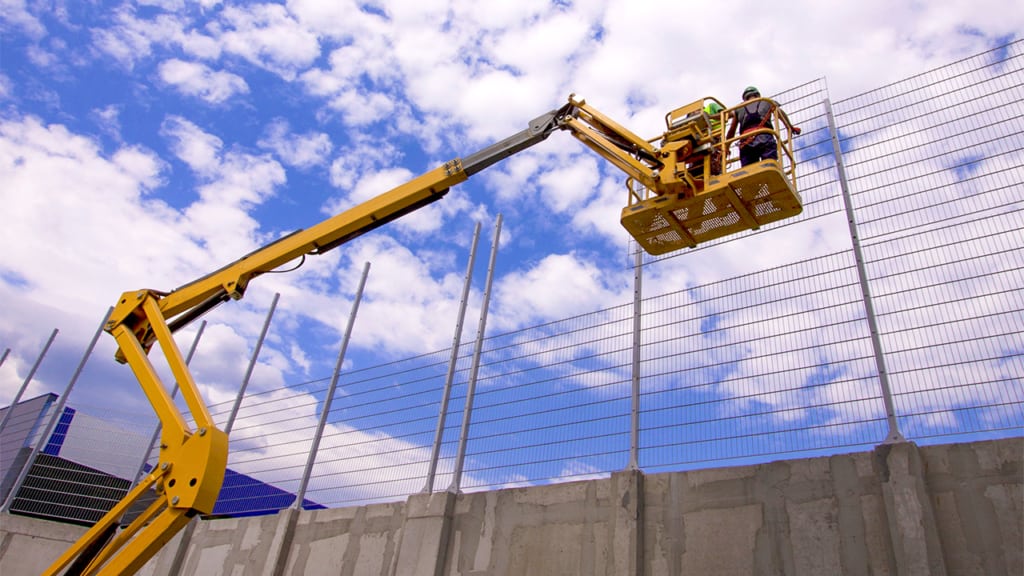
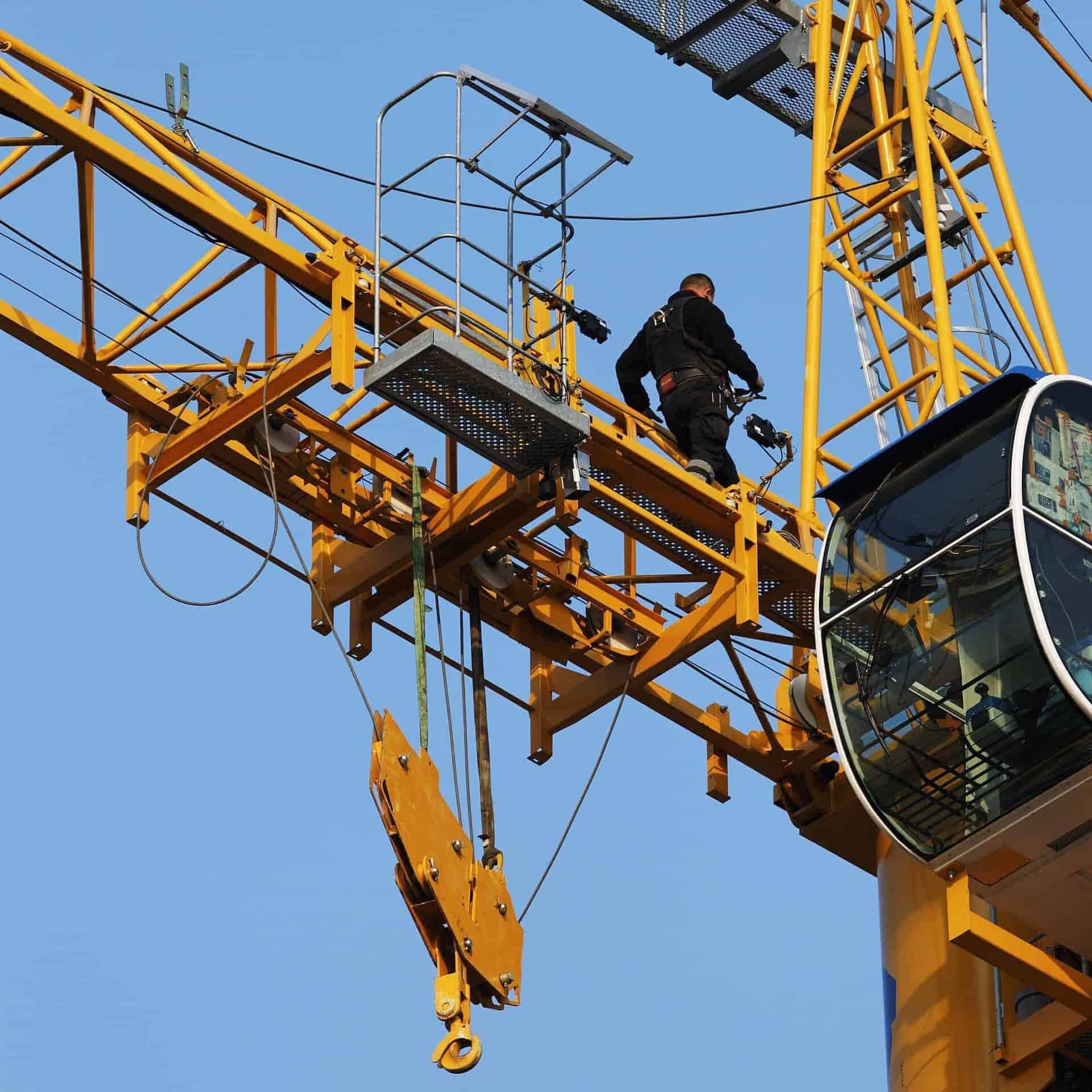
A worker on a yellow scissor lift.

What kind of support or training do you provide customers who choose your battery solutions?  

Aaron: Fullriver tailors its support to the specific needs of our customers. Whether the need is for in-person training, technical document support, or communication via phone or email. Our technical staff is very responsive and often available at short notice to support our customer base. Further, our Delta-Q product knowledge is nearly at par with our battery competency. 

What is your vision for the future of battery and charging technology in the aerial work platform industry, and how do you plan to stay ahead of the competition?  

Aaron: After nearly 30 years of building batteries for the industry, we have gained a lot of insight into the applications we serve. Among our four lines of batteries, the EGL Series is the newest and marks an advance in lead-acid technology with its ultra-high cycle life and updated platform. It was designed with low-speed EVs in mind. But we haven’t even come close to stopping. We are constantly testing and further developing our products. With Delta-Q’s ever-expanding roadmap, our work continues as we work to gain ever more insight. 

About Charged by Delta-Q 

The “Charged by Delta-Q” program was created to build a community for OEMs, battery and BMS manufacturers to facilitate innovation and collaboration among the electric battery, charging and equipment sectors. Partnering with industry-leading battery and battery management systems (BMS), companies will help OEMs reduce the technical risk and time spent researching and testing batteries and chargers to find compatible electric power systems. All battery companies that are part of this program have had their optimized products iteratively tested and validated with Delta-Q chargers. Interested in learning more about Charged by Delta-Q? Visit https://delta-q.com/charged-by-delta-q/